
Embark on a journey through the realm of Global public health, where initiatives are shaping the well-being of communities worldwide. From defining global public health to exploring successful interventions, this topic delves into the core of public health on a global scale.
Global Public Health
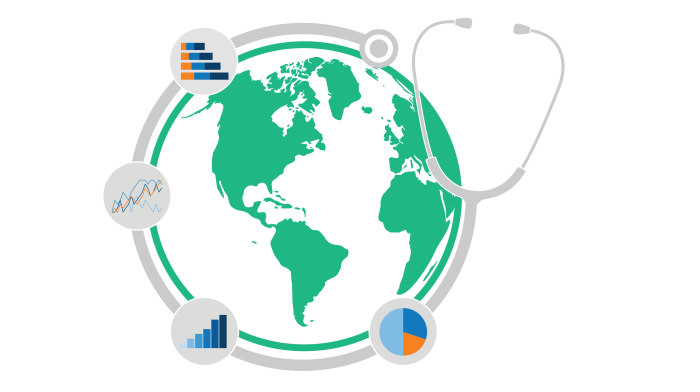
Global public health refers to the health of populations on a worldwide scale, focusing on improving health outcomes, preventing diseases, and promoting well-being across borders. It is crucial for addressing global health challenges and ensuring the overall health and safety of individuals globally.
Key Challenges in Global Public Health Initiatives
Global public health initiatives face several challenges, including:
- Lack of access to healthcare services in developing countries
- Poor sanitation and hygiene practices leading to the spread of infectious diseases
- Emerging infectious diseases and pandemics
- Inadequate funding for public health programs
Role of International Organizations in Promoting Global Public Health
International organizations play a crucial role in promoting global public health by:
- Providing funding and resources for health initiatives in developing countries
- Setting global health priorities and standards
- Coordinating responses to health emergencies and pandemics
- Advocating for policies that improve health outcomes worldwide
Examples of Successful Global Public Health Interventions
Some successful global public health interventions include:
- The eradication of smallpox through vaccination campaigns led by the World Health Organization (WHO)
- The reduction of maternal and child mortality rates through programs focusing on maternal and child health in developing countries
- The control of HIV/AIDS through global initiatives like the President’s Emergency Plan for AIDS Relief (PEPFAR)
- The implementation of tobacco control policies resulting in decreased smoking rates and improved public health outcomes
Prescription Drugs
Prescription drugs are medications that can only be obtained with a prescription from a licensed healthcare provider, such as a doctor or nurse practitioner. They are typically used to treat more complex or serious health conditions and require professional oversight due to their potential risks and side effects. In contrast, over-the-counter medications can be purchased without a prescription and are generally used for milder symptoms or conditions.
Importance of Prescription Drugs in Managing Chronic Conditions
Prescription drugs play a crucial role in managing chronic conditions such as diabetes, hypertension, asthma, and mental health disorders. These medications help control symptoms, prevent complications, and improve quality of life for individuals living with these conditions. Without access to prescription drugs, managing chronic diseases effectively can be challenging and may lead to worsening health outcomes.
Impact of Prescription Drug Affordability on Public Health Outcomes
The affordability of prescription drugs has a significant impact on public health outcomes. High costs can prevent individuals from filling their prescriptions or adhering to prescribed treatment plans, resulting in uncontrolled conditions, hospitalizations, and preventable complications. Access to affordable prescription drugs is essential for ensuring that individuals can manage their health effectively and prevent long-term consequences.
Regulation of Prescription Drug Use and Distribution
Prescription drug use and distribution are tightly regulated to ensure the safety, efficacy, and proper administration of these medications. Regulatory bodies such as the Food and Drug Administration (FDA) in the United States set rigorous standards for the approval, labeling, and marketing of prescription drugs. Healthcare providers must follow specific guidelines when prescribing these medications to minimize risks and maximize benefits for patients.
Preventive Medicine
Preventive medicine plays a crucial role in public health by focusing on preventing diseases before they occur, rather than just treating them once they have developed. By implementing various strategies and interventions, preventive medicine aims to reduce the overall disease burden on individuals and communities.
Benefits of Preventive Medicine
- Prevents the onset of diseases: Through vaccinations, screenings, and lifestyle modifications, preventive medicine can help individuals avoid developing certain illnesses.
- Cost-effective: Investing in preventive measures is often more cost-effective in the long run compared to treating diseases that could have been prevented.
- Improves overall health outcomes: By promoting healthy behaviors and early detection of conditions, preventive medicine can lead to better health outcomes for populations.
Preventive Medicine Strategies
Preventive medicine utilizes a variety of strategies to promote health and prevent diseases:
- Vaccinations: Immunizations help protect individuals from infectious diseases such as measles, polio, and influenza.
- Screenings: Regular screenings for conditions like cancer, diabetes, and high blood pressure can aid in early detection and treatment.
- Lifestyle modifications: Encouraging healthy habits such as balanced diet, regular exercise, and smoking cessation can reduce the risk of chronic diseases.
Successful Preventive Medicine Programs
Several preventive medicine programs have been implemented globally with successful outcomes:
- The Expanded Program on Immunization (EPI) by the World Health Organization has significantly reduced the incidence of vaccine-preventable diseases worldwide.
- The United States Preventive Services Task Force (USPSTF) provides evidence-based recommendations for preventive screenings and interventions, guiding clinical practice in the U.S.
- The Finnish Diabetes Prevention Study demonstrated the effectiveness of lifestyle modifications in preventing type 2 diabetes among high-risk individuals.
Primary Care
Primary care is the first point of contact individuals have with the healthcare system, serving as the foundation for ongoing care and a crucial component of public health. It encompasses a wide range of services, including preventive care, treatment for common illnesses, and management of chronic conditions.
Importance of Primary Care
Primary care plays a vital role in promoting public health and disease prevention by focusing on early detection, timely intervention, and continuity of care. Primary care providers act as advocates for their patients, emphasizing the importance of regular screenings, vaccinations, and lifestyle modifications to prevent the onset of diseases.
- Primary care providers serve as gatekeepers, coordinating care and referring patients to specialists when needed, ensuring comprehensive and holistic healthcare delivery.
- They establish long-term relationships with patients, fostering trust and open communication, which are essential for effective disease management and health promotion.
- Primary care settings are often more accessible and cost-effective than specialty care, making them an essential component of healthcare delivery, especially in underserved communities.
Challenges in Delivering Primary Care in Underserved Communities
Underserved communities face unique challenges in accessing primary care services, including inadequate healthcare infrastructure, limited resources, and socioeconomic barriers. These challenges contribute to disparities in health outcomes and exacerbate existing health inequalities.
- Lack of healthcare facilities and providers in underserved areas can lead to reduced access to primary care services, resulting in delayed diagnosis and treatment of health conditions.
- Financial constraints and insurance coverage limitations can prevent individuals in underserved communities from seeking preventive care or managing chronic conditions effectively.
- Cultural and linguistic barriers may impede communication between primary care providers and patients, hindering the delivery of patient-centered care and health education.
Innovative Primary Care Models for Improved Public Health Outcomes
In response to the challenges faced in delivering primary care services in underserved communities, innovative primary care models have emerged to improve public health outcomes and enhance healthcare access for vulnerable populations.
- Community health centers and mobile clinics bring primary care services directly to underserved communities, overcoming geographical barriers and increasing healthcare accessibility.
- Telehealth and telemedicine platforms leverage technology to deliver virtual primary care consultations, expanding the reach of healthcare services to remote or rural areas.
- Integrated care models, such as patient-centered medical homes and accountable care organizations, promote care coordination and collaboration among healthcare providers to deliver comprehensive and patient-centric primary care services.
Public Health
Public health focuses on improving the overall health and well-being of communities by implementing strategies and interventions to prevent diseases, promote healthy behaviors, and ensure health equity for all individuals.
Key Principles of Public Health
- Prevention: Public health aims to prevent diseases and injuries before they occur through education, vaccination, and environmental interventions.
- Health Promotion: Public health encourages healthy behaviors and lifestyles to enhance overall well-being and quality of life.
- Equity: Public health strives to achieve health equity by addressing social determinants of health and reducing disparities in healthcare access and outcomes.
Intersection of Public Health with Other Disciplines
Public health intersects with various disciplines to address health issues comprehensively:
- Epidemiology: Studies the distribution and determinants of health and disease in populations to inform public health policies and interventions.
- Biostatistics: Utilizes statistical methods to analyze health data and evaluate the effectiveness of public health programs.
- Environmental Health: Focuses on how environmental factors impact human health and advocates for policies that promote a healthy environment.
Examples of Successful Public Health Interventions
- Smoking Cessation Programs: Implementing tobacco control policies and programs have significantly reduced smoking rates and related diseases globally.
- Vaccination Campaigns: Mass vaccination efforts have eradicated diseases like smallpox and drastically reduced the prevalence of others like polio.
- Safe Water Initiatives: Providing access to clean water and sanitation facilities has improved community health outcomes and reduced waterborne diseases in many regions.
In conclusion, Global public health stands as a beacon of hope for healthier communities globally. By addressing challenges, leveraging international organizations, and implementing successful interventions, the world moves closer to achieving optimal public health outcomes.
FAQ Insights
What are the main challenges in global public health initiatives?
Key challenges include resource limitations, political barriers, and disparities in healthcare access.
How do international organizations contribute to global public health?
International organizations provide funding, technical support, and coordination for public health initiatives on a global scale.
What are some examples of successful global public health interventions?
Successful interventions include vaccination campaigns, disease surveillance systems, and health education programs.


