Exploring the intersection of mental health and public health reveals the crucial importance of addressing mental well-being for overall community health. From defining the concept to examining successful programs, this overview delves into the essential aspects of the topic.
The discussion will shed light on the significance of mental health within public health initiatives and the profound impact it has on public health outcomes.
Mental Health in Public Health
When we talk about mental health in the context of public health, we are referring to the overall well-being of individuals in society in relation to their mental state. This includes emotional, psychological, and social aspects that impact a person’s mental well-being.
Addressing mental health within public health initiatives is crucial because mental health plays a significant role in overall health outcomes. Neglecting mental health can lead to various negative consequences, such as decreased productivity, increased healthcare costs, and a higher burden on society as a whole.
Importance of Addressing Mental Health
- Improves overall quality of life for individuals
- Reduces stigma surrounding mental health issues
- Enhances productivity in the workforce
- Decreases healthcare costs in the long run
Impact of Mental Health Issues on Public Health Outcomes
- Mental health issues can lead to physical health problems if left untreated
- Increased risk of substance abuse and addiction
- Higher rates of chronic diseases among individuals with mental health disorders
- Impacts on social relationships and community well-being
Examples of Successful Public Health Programs
One successful example of a public health program that integrates mental health components is the Mental Health First Aid program. This initiative provides training to individuals to recognize and respond to mental health crises, thus promoting early intervention and support for those in need.
Another example is the integration of mental health services in schools through counseling programs and support groups. By addressing mental health issues early on in educational settings, students are better equipped to manage their mental well-being and succeed academically.
Prescription Drugs
Prescription drugs play a crucial role in the treatment of mental health conditions, providing relief from symptoms and assisting individuals in managing their disorders effectively.
Benefits and Risks
Prescription drugs for mental health offer benefits such as alleviating symptoms, improving quality of life, and enhancing daily functioning. However, they also come with potential risks including side effects, dependency, and interactions with other medications. It is essential for healthcare providers to carefully monitor patients to minimize these risks.
Challenges in Access
Access to prescription drugs for mental health patients can be challenging due to factors such as high costs, insurance coverage limitations, stigma associated with mental health treatment, and shortages of certain medications in the market. These barriers can prevent individuals from receiving the necessary treatment, leading to negative consequences for their well-being.
Effectiveness Comparison
When comparing the effectiveness of prescription drugs versus other treatment modalities for mental health disorders, it is important to consider individual differences and preferences. While medication may be highly effective for some individuals, others may benefit more from therapy, lifestyle changes, or a combination of treatments. It is crucial for healthcare providers to personalize treatment plans based on each patient’s unique needs and circumstances.
Preventive Medicine
Preventive medicine plays a crucial role in promoting mental health by focusing on strategies to prevent the onset of mental health disorders before they occur. By addressing risk factors and implementing interventions early on, preventive measures aim to reduce the incidence of mental health issues and improve overall well-being.
Importance of Early Intervention
Early intervention and preventive strategies are essential in mental health care as they can help identify and address potential issues before they escalate. By detecting warning signs early and providing appropriate support and treatment, individuals can receive the help they need to prevent the development of more severe mental health conditions.
Examples of Preventive Medicine Approaches
- Community-Based Programs: Initiatives that focus on promoting mental health awareness, providing education, and offering support services within communities have been successful in preventing mental health disorders.
- Screening and Assessment: Early identification of mental health concerns through screenings and assessments can help individuals access timely interventions and support, reducing the risk of developing more severe conditions.
- Promotion of Healthy Lifestyles: Encouraging healthy behaviors such as regular exercise, balanced nutrition, adequate sleep, and stress management can have a positive impact on mental health and prevent the onset of disorders.
- Access to Mental Health Services: Ensuring access to affordable and quality mental health services can help individuals receive timely care and support, reducing the burden of mental health disorders on individuals and communities.
Primary Care
Primary care providers play a crucial role in addressing mental health concerns as they are often the first point of contact for patients seeking healthcare services. Integrating mental health services into primary care settings can significantly improve patient outcomes by ensuring early detection, timely intervention, and holistic care.
Role of Primary Care Providers
- Primary care providers can conduct mental health screenings during routine visits to identify any potential issues early on.
- They can offer counseling, therapy, and medication management for common mental health conditions such as anxiety and depression.
- Primary care providers can also collaborate with mental health specialists for more complex cases and provide ongoing support and follow-up care.
Challenges Faced by Primary Care Providers
- Limited time and resources often hinder primary care providers from addressing mental health issues adequately.
- Stigma surrounding mental health may prevent patients from disclosing their concerns, making it challenging for providers to provide appropriate care.
- Lack of training in mental health can also be a barrier for primary care providers in effectively managing and treating mental health conditions.
Recommendations for Enhancing Mental Health Services
- Provide ongoing training and education for primary care providers on mental health screening, diagnosis, and treatment.
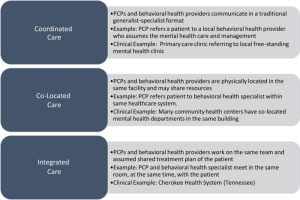
- Implement integrated care models that involve collaboration between primary care providers and mental health specialists.
- Offer telehealth services for mental health consultations to improve access to care for patients in underserved areas.
Public Health
Public health plays a crucial role in the overall well-being of communities, including mental health. The connection between mental health and public health is evident in how societal factors, environmental conditions, and access to resources can impact an individual’s mental well-being.
Role of Public Health Organizations
Public health organizations are instrumental in promoting mental well-being at the population level by implementing programs and interventions that aim to reduce stigma, increase awareness, and improve access to mental health services. These organizations work to address social determinants of health that can influence mental health outcomes.
- Providing education and resources to raise awareness about mental health issues.
- Advocating for policies that support mental health services and resources.
- Collaborating with community partners to ensure access to mental health care.
Impact of Public Health Policies
Public health policies have a significant impact on mental health outcomes by shaping the environments in which individuals live, work, and play. Policies related to healthcare access, community safety, and social support systems can either support or hinder mental well-being.
- Legislation mandating mental health parity in insurance coverage can improve access to mental health services.
- Public health campaigns promoting mental health awareness can reduce stigma and encourage help-seeking behaviors.
- Policies addressing social determinants of health, such as housing and employment, can positively impact mental health outcomes.
Public Health Campaigns
Public health campaigns have been effective in raising awareness and promoting mental health at the population level. These campaigns utilize various strategies to engage communities, reduce stigma, and encourage positive mental health practices.
- The “It’s Okay to Talk” campaign encourages open conversations about mental health and seeks to reduce the stigma associated with seeking help.
- The “Mental Health Matters” campaign focuses on educating the public about the importance of mental health and the impact of mental illness on individuals and communities.
- The “Mind Your Mind” campaign promotes self-care practices and resources for maintaining good mental health.
In conclusion, the integration of mental health into public health strategies is vital for fostering healthier communities and improving overall well-being. By understanding the challenges and benefits, we can work towards a more holistic approach to healthcare that prioritizes mental wellness alongside physical health.
FAQs
How can public health initiatives effectively address mental health issues?
Public health initiatives can incorporate mental health components by integrating mental health services into existing programs, raising awareness, and providing resources for those in need.
What role do preventive measures play in reducing the incidence of mental health disorders?
Preventive measures, such as early intervention programs and mental health education, can help identify and address potential mental health issues before they escalate, thus reducing the overall incidence of disorders.
How can primary care providers improve mental health services within their settings?
Primary care providers can enhance mental health services by collaborating with mental health professionals, offering comprehensive screenings, and providing ongoing support and resources for patients.