Beginning with Public health campaigns, the narrative unfolds in a compelling and distinctive manner, drawing readers into a story that promises to be both engaging and uniquely memorable.
Public health campaigns play a crucial role in spreading awareness about health issues and improving the overall well-being of communities. Through innovative strategies and impactful messaging, these campaigns can bring about significant changes in public health outcomes.
Public Health Campaigns
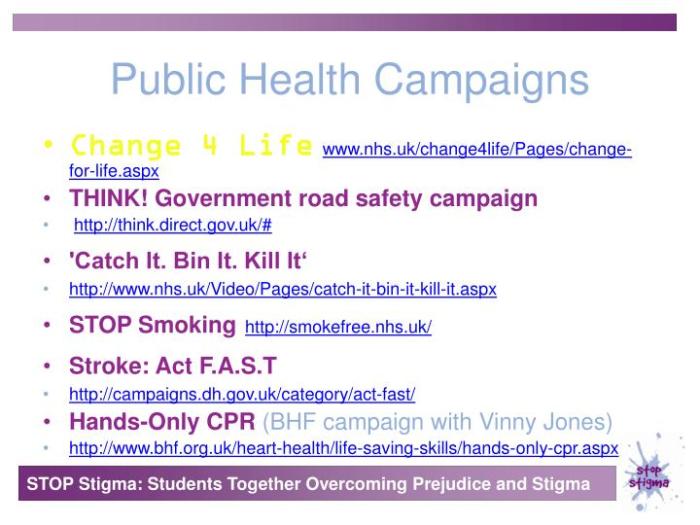
Public health campaigns play a crucial role in promoting health awareness among the general population. By raising awareness about various health issues, these campaigns aim to educate, inform, and empower individuals to make healthy choices and take proactive steps towards improving their well-being.
Examples of Successful Public Health Campaigns
- The “5 A Day” campaign, which encourages people to eat at least five servings of fruits and vegetables daily, has been successful in promoting healthy eating habits and reducing the risk of chronic diseases.
- The “Stop Smoking” campaign has led to a significant decrease in smoking rates and has helped many individuals quit smoking, thereby reducing the incidence of smoking-related illnesses.
- The “Know Your Numbers” campaign, focusing on regular health check-ups and monitoring key health indicators such as blood pressure, cholesterol levels, and blood sugar, has raised awareness about the importance of preventive healthcare.
Role of Government Agencies, NGOs, and Other Organizations
Public health campaigns are often initiated and implemented by government agencies, non-governmental organizations (NGOs), healthcare institutions, and other stakeholders. These organizations play a vital role in designing, funding, and executing campaigns that target specific health issues and populations. Government agencies provide the necessary resources, regulations, and policies to support public health initiatives, while NGOs and other organizations contribute their expertise, networks, and community outreach to ensure the success of these campaigns.
Prescription Drugs
Prescription drugs are medications that can only be obtained with a prescription from a licensed healthcare provider. These drugs are regulated by government agencies to ensure their safety, efficacy, and proper use in treating various health conditions.
Process of Prescribing and Dispensing Prescription Drugs
Prescribing prescription drugs involves a healthcare provider assessing a patient’s medical history, symptoms, and overall health to determine the most appropriate medication and dosage. The prescription is then written and given to the patient, who can take it to a pharmacy for dispensing. Pharmacists play a crucial role in ensuring the correct medication is provided to the patient, offering counseling on proper usage and potential side effects.
Benefits and Risks of Prescription Drugs
- Benefits:
- Effectiveness: Prescription drugs have been proven to effectively treat a wide range of health conditions, from infections to chronic diseases.
- Regulation: Strict regulations ensure that prescription drugs meet quality and safety standards, providing patients with reliable treatment options.
- Customization: Healthcare providers can tailor prescription drugs to individual patient needs, considering factors like age, weight, and existing health conditions.
- Risks:
- Side Effects: Prescription drugs may cause side effects ranging from mild to severe, affecting the patient’s quality of life and requiring additional medical attention.
- Dependency: Some prescription drugs have the potential for dependency or abuse, leading to addiction and other health complications.
- Cost: Prescription drugs can be expensive, posing a financial burden on patients who require long-term or multiple medications.
Preventive Medicine
Preventive medicine plays a crucial role in public health by focusing on strategies to prevent diseases and promote overall well-being in communities.
Common Preventive Measures
Healthcare professionals recommend various preventive measures to help individuals maintain good health and reduce the risk of developing illnesses.
- Getting regular check-ups and screenings to detect any health issues early.
- Following a balanced diet and engaging in regular physical activity to maintain a healthy weight.
- Practicing good hygiene, such as washing hands frequently and covering coughs and sneezes.
- Receiving recommended vaccinations to prevent infectious diseases.
- Avoiding tobacco and excessive alcohol consumption to reduce the risk of chronic conditions.
Impact on Disease Burden
Preventive medicine has a significant impact on reducing the burden of disease in communities by preventing illnesses before they occur.
By promoting healthy behaviors and early detection of risk factors, preventive measures can help lower the prevalence of diseases and improve overall public health outcomes.
Primary Care
Primary care plays a crucial role in maintaining overall health and well-being by serving as the first point of contact for individuals seeking healthcare services. It focuses on preventive care, health promotion, and the management of common health issues.
Services Offered in Primary Care Setting
- Regular check-ups and screenings to monitor health status and detect potential issues early.
- Treatment for acute illnesses such as infections, colds, and minor injuries.
- Management of chronic conditions like diabetes, hypertension, and asthma through medication and lifestyle changes.
- Referrals to specialists for further evaluation and treatment of complex health problems.
- Health education and counseling on topics such as nutrition, exercise, and disease prevention.
Challenges and Opportunities for Primary Care Providers
- Challenges:
- Heavy workload and time constraints leading to limited appointment times with patients.
- Inadequate reimbursement for primary care services compared to specialty care.
- Shortage of primary care providers, especially in rural and underserved areas.
- Managing the increasing complexity of patient cases and coordinating care with multiple specialists.
- Opportunities:
- Embracing technology such as telemedicine to improve access to care and enhance communication with patients.
- Implementing team-based care models to involve nurses, pharmacists, and other healthcare professionals in patient management.
- Focusing on preventive care and wellness programs to promote healthy behaviors and reduce the burden of chronic diseases.
- Advocating for policy changes to support primary care and address healthcare disparities in underserved communities.
Public Health
Public health refers to the science and practice of promoting and protecting the health of communities through organized efforts. The main objectives of public health include preventing diseases, prolonging life, and improving the quality of life for individuals and populations.
Public Health vs. Individual Healthcare
Public health focuses on the health of entire populations, emphasizing prevention and health promotion strategies that benefit the community as a whole. On the other hand, individual healthcare is centered on providing medical care and treatment to individual patients.
Role of Public Health Campaigns
Public health campaigns play a crucial role in addressing major public health issues such as infectious diseases, chronic conditions, and environmental health concerns. These campaigns aim to raise awareness, educate the public, and promote healthy behaviors to prevent and control diseases.
In conclusion, Public health campaigns are vital tools in addressing major health concerns and promoting a healthier society. By collaborating with various organizations and utilizing targeted approaches, these campaigns can make a lasting impact on community well-being.
Frequently Asked Questions
What makes public health campaigns essential?
Public health campaigns are essential because they raise awareness about health issues, educate the public, and promote preventive measures to improve community health.
How do public health campaigns differ from individual healthcare?
Public health campaigns focus on promoting health at the population level, while individual healthcare is more personalized and targets specific medical needs of individuals.
What are some successful examples of public health campaigns?
Examples include anti-smoking campaigns, vaccination drives, and campaigns promoting healthy lifestyle choices like exercise and proper nutrition.