
As Primary care access takes center stage, this opening passage beckons readers with compelling insights into the importance of easy access to primary healthcare services. From discussing challenges to exploring innovative solutions, this topic promises a deep dive into the world of healthcare accessibility.
With a focus on socio-economic, geographical, and cultural factors, the discussion aims to shed light on the complexities surrounding primary care access and its implications on public health.
Overview of Primary Care Access
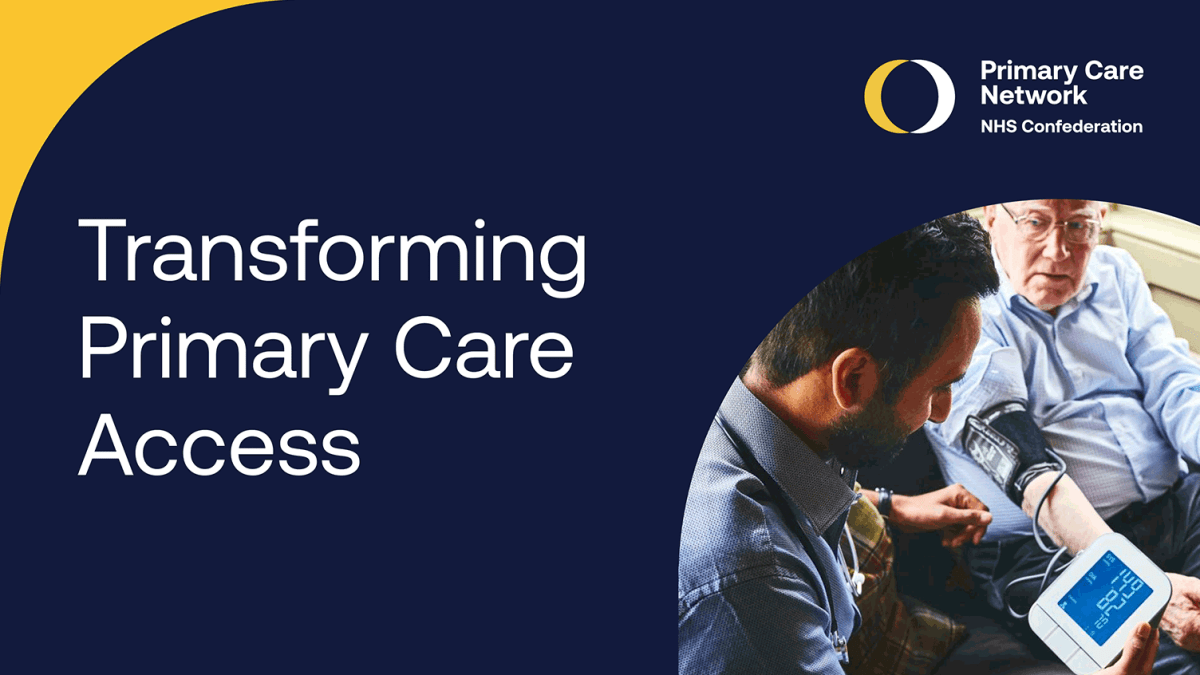
Primary care access encompasses the ability of individuals to obtain timely, affordable, and equitable healthcare services from a primary care provider. This includes services such as preventive care, management of chronic conditions, and treatment of acute illnesses.
Importance of Primary Care Access
Primary care access plays a crucial role in healthcare systems by serving as the first point of contact for individuals seeking medical care. It is essential for promoting overall health and well-being, as primary care providers are able to provide comprehensive and coordinated care to patients. Additionally, primary care access helps to reduce healthcare costs by preventing unnecessary emergency room visits and hospitalizations.
Challenges and Barriers to Primary Care Access
- Lack of healthcare providers: In many regions, there is a shortage of primary care providers, leading to long wait times for appointments and difficulty accessing care.
- Financial barriers: High out-of-pocket costs, lack of health insurance, and limited coverage for primary care services can prevent individuals from seeking necessary healthcare.
- Geographic barriers: Rural areas often face challenges in accessing primary care services due to a lack of healthcare facilities and providers in remote locations.
- Lack of awareness: Some individuals may not understand the importance of primary care or may not know how to navigate the healthcare system to access these services.
- Language and cultural barriers: Limited English proficiency or cultural differences can create obstacles to accessing primary care services for certain populations.
Factors Influencing Primary Care Access
Access to primary care is influenced by various factors that can impact an individual’s ability to seek and receive timely healthcare services.
Socio-Economic Factors
- Lack of health insurance coverage can prevent individuals from seeking primary care services due to financial barriers.
- Low income levels may limit access to transportation or the ability to take time off work for medical appointments.
- Education level can also play a role, as individuals with lower education may have less awareness of the importance of primary care.
Geographical Factors
- Rural areas often have a shortage of primary care providers, leading to longer wait times and limited availability of services.
- Urban areas may face challenges with overcrowded clinics and difficulty in accessing care due to traffic or distance.
- Remote locations can make it hard for individuals to reach healthcare facilities, especially in emergencies.
Cultural or Language Barriers
- Language barriers can impede communication between patients and healthcare providers, leading to misunderstandings and inadequate care.
- Cultural beliefs and practices may influence perceptions of healthcare, affecting willingness to seek primary care services.
- Stigma surrounding certain health conditions within specific cultural groups can deter individuals from seeking necessary care.
Strategies for Improving Primary Care Access
Innovative approaches are essential to enhance primary care access, especially for underserved populations. Utilizing telehealth solutions, community health worker programs, and mobile clinics can significantly improve access to crucial healthcare services.
Telehealth Solutions
Telehealth solutions, such as virtual consultations and remote monitoring, have revolutionized healthcare delivery. By leveraging technology, patients can access primary care services from the comfort of their homes. This is particularly beneficial for individuals with limited mobility or those residing in rural areas. Telehealth not only increases convenience but also reduces barriers to accessing timely care.
Community Health Worker Programs
Community health workers play a vital role in bridging the gap between healthcare providers and underserved communities. These trained professionals are often from the same community they serve, making them culturally competent and trusted sources of health information. Community health worker programs have been successful in increasing healthcare access, promoting preventive care, and improving health outcomes among marginalized populations.
Mobile Clinics
Mobile clinics bring healthcare services directly to underserved areas, eliminating transportation barriers and increasing access to primary care. These clinics are equipped to provide a wide range of services, from preventive screenings to chronic disease management. By reaching communities where traditional healthcare facilities are scarce, mobile clinics play a crucial role in improving health equity and reducing disparities in healthcare access.
Intersection of Primary Care Access with Prescription Drugs, Preventive Medicine, and Public Health
Primary care access plays a crucial role in the intersection with prescription drugs, preventive medicine, and public health. Limited access to primary care can have significant implications on the utilization of prescription drugs and the effectiveness of preventive medicine and public health interventions.
Impact on Prescription Drug Utilization
Limited access to primary care can result in patients not receiving appropriate medical guidance and oversight, leading to potential misuse or overuse of prescription drugs. Without regular access to primary care providers, patients may rely on self-diagnosis and self-medication, which can result in adverse drug interactions, medication errors, and unnecessary healthcare costs.
Role in Preventive Medicine and Public Health
Primary care providers play a key role in preventive medicine by promoting healthy behaviors, conducting screenings, and providing vaccinations. By addressing risk factors early on and promoting healthy lifestyles, primary care can help prevent the onset of chronic diseases and reduce the overall burden on the healthcare system. Additionally, primary care providers are often the first point of contact for individuals seeking healthcare services, making them essential in identifying and addressing public health concerns in the community.
Improving Public Health Outcomes
Improving access to primary care can lead to better public health outcomes by ensuring that individuals receive timely and appropriate care. By promoting preventive measures, managing chronic conditions effectively, and addressing public health issues at the community level, primary care can contribute to overall improvements in population health and well-being.
In conclusion, the intersection of primary care access with prescription drugs, preventive medicine, and public health underscores the need for improved accessibility to quality healthcare. By addressing barriers and implementing effective strategies, we move closer to a future where primary care is truly accessible to all, paving the way for better health outcomes for everyone.
FAQ Summary
How can socio-economic factors impact primary care access?
Socio-economic factors such as income level and employment status can influence an individual’s ability to afford and access primary care services.
What role do mobile clinics play in improving primary care access?
Mobile clinics help reach underserved populations in remote areas, providing essential primary care services directly to those in need.


