With Preventive medicine policies at the forefront, this paragraph opens a window to an amazing start and intrigue, inviting readers to embark on a storytelling casual formal language style filled with unexpected twists and insights.
Preventive medicine plays a crucial role in healthcare by focusing on proactive measures to prevent diseases before they occur. This overview will delve into the significance of preventive medicine policies and their impact on public health.
Overview of Preventive Medicine Policies
Preventive medicine focuses on preventing diseases and promoting overall health and well-being through proactive measures such as vaccinations, screenings, and lifestyle modifications. It plays a crucial role in healthcare by shifting the focus from treatment to prevention, ultimately reducing the burden of illness on individuals and society as a whole.
Significance of Preventive Medicine Policies
Preventive medicine policies are essential in promoting public health by implementing strategies to prevent diseases before they occur. These policies target various risk factors and behaviors that contribute to the development of chronic conditions, aiming to reduce the incidence of diseases and improve the quality of life for individuals. By emphasizing preventive measures, such as regular health screenings and education on healthy living, these policies help in early detection and intervention, ultimately leading to better health outcomes for the population.
Role of Preventive Medicine Policies in Society
Preventive medicine policies aim to reduce the burden of disease on society by addressing the root causes of health issues and implementing evidence-based strategies to promote health and well-being. These policies not only focus on individual health but also consider the impact on the community as a whole, emphasizing the importance of population-based interventions to create healthier environments. By fostering a culture of prevention and wellness, preventive medicine policies contribute to reducing healthcare costs, improving productivity, and enhancing overall quality of life for individuals and communities.
Implementation of Preventive Medicine Policies
Implementing preventive medicine policies requires a multi-faceted approach that involves collaboration between government agencies, healthcare providers, community organizations, and individuals. Successful implementation relies on effective communication, education, and resource allocation.
Different Approaches to Implementing Preventive Medicine Policies
- Legislation and Regulation: Governments can enact laws and regulations that mandate preventive screenings, vaccinations, and lifestyle interventions.
- Public Health Campaigns: Public health campaigns can raise awareness about the importance of preventive care and encourage individuals to adopt healthy behaviors.
- Community Partnerships: Collaborating with community organizations and local leaders can help reach underserved populations and address social determinants of health.
Examples of Successful Preventive Medicine Programs
- The National Health Service (NHS) in the United Kingdom has implemented a successful vaccination program that has significantly reduced the incidence of infectious diseases.
- The “5-2-1-0” program in the United States promotes healthy eating and active living among children and has shown positive results in reducing obesity rates.
Challenges in Implementing Preventive Medicine Policies and Solutions
- Financial Barriers: Lack of insurance coverage or high out-of-pocket costs can prevent individuals from accessing preventive services. Solutions include expanding insurance coverage and offering subsidies for preventive care.
- Lack of Awareness: Many individuals may not be aware of the importance of preventive care or may not prioritize it. Education campaigns and outreach programs can help address this challenge.
- Health Disparities: Certain populations may face barriers to accessing preventive services due to social, economic, or cultural factors. Tailoring programs to meet the specific needs of these populations can help reduce disparities.
Impact of Preventive Medicine Policies on Prescription Drugs
Preventive medicine policies play a crucial role in influencing the use of prescription drugs by promoting a proactive approach to healthcare. By focusing on preventing diseases and promoting overall wellness, these policies can significantly impact the need for prescription medications.
Role of Preventive Medicine in Reducing the Need for Prescription Drugs
Implementing preventive medicine measures such as regular screenings, vaccinations, and lifestyle interventions can help individuals maintain good health and reduce the risk of developing chronic conditions that may require prescription drugs. By addressing health issues early on, preventive medicine can lower the dependency on medications for managing diseases.
Cost-Effectiveness of Preventive Medicine Policies in Relation to Prescription Drug Use
- Preventive medicine policies are cost-effective in the long run as they focus on preventing diseases rather than treating them after they have developed. This approach can lead to a reduction in healthcare costs associated with prescription drugs.
- By investing in preventive measures such as health education programs and early detection initiatives, healthcare systems can potentially save money that would otherwise be spent on expensive prescription medications for treating advanced diseases.
- Furthermore, promoting healthy behaviors and lifestyle modifications through preventive medicine can lead to overall cost savings by reducing the need for prescription drugs to manage conditions related to poor lifestyle choices.
Role of Primary Care in Preventive Medicine
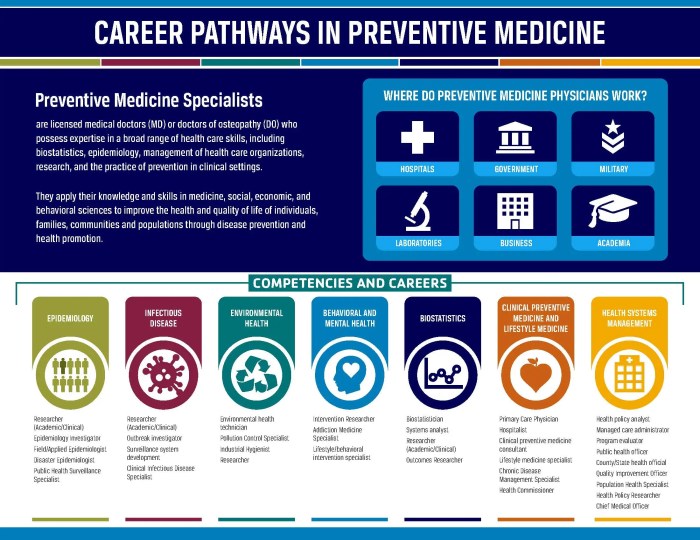
Primary care providers play a crucial role in preventive medicine efforts by focusing on promoting wellness and disease prevention among their patients. They are often the first point of contact for individuals seeking healthcare services, making them well-positioned to implement preventive measures and interventions.
Contribution of Primary Care Providers
Primary care providers contribute to preventive medicine efforts by conducting routine screenings, providing vaccinations, promoting healthy lifestyle behaviors, and managing chronic conditions. They work closely with patients to identify risk factors, develop personalized prevention plans, and monitor progress towards health goals.
- Primary care providers conduct regular screenings for conditions such as hypertension, diabetes, and certain cancers to detect early signs of disease.
- They administer vaccinations to prevent infectious diseases and promote herd immunity within the community.
- Primary care providers educate patients on the importance of maintaining a healthy diet, engaging in regular physical activity, and avoiding tobacco and excessive alcohol consumption.
- They collaborate with patients to manage chronic conditions through medication management, lifestyle modifications, and regular follow-up visits.
Importance of Integration
Integrating preventive medicine practices into primary care settings is essential to ensure that individuals receive comprehensive and coordinated care. By incorporating preventive measures into routine healthcare visits, primary care providers can address health risks early, improve health outcomes, and reduce healthcare costs associated with treating preventable diseases.
- Integration of preventive medicine practices fosters a proactive approach to healthcare, emphasizing prevention rather than treatment of diseases.
- Primary care providers can establish longitudinal relationships with patients, allowing for continuity of care and personalized prevention plans tailored to individual needs.
- By promoting preventive measures, primary care settings can help reduce the burden of chronic diseases and improve overall population health outcomes.
Challenges Faced by Primary Care Providers
Primary care providers face challenges in implementing preventive medicine strategies due to time constraints, limited resources, and competing clinical priorities. Incorporating preventive measures into already busy healthcare settings requires dedicated time, training, and support to effectively address preventive care needs.
- Time constraints during patient visits may limit the ability of primary care providers to thoroughly assess risk factors, provide counseling on preventive measures, and develop comprehensive prevention plans.
- Limited resources for preventive services, such as access to screenings, vaccinations, and behavioral counseling, can hinder the delivery of preventive care in primary care settings.
- Competing clinical priorities, such as acute care needs and chronic disease management, may overshadow the importance of preventive medicine in primary care practice.
Public Health Initiatives and Preventive Medicine Policies
Public health initiatives play a crucial role in supporting preventive medicine policies by focusing on promoting healthy behaviors, preventing diseases, and improving overall public health outcomes. These initiatives often align with the goals of preventive medicine policies to reduce the burden of disease and enhance the well-being of communities.
Examples of Public Health Campaigns
- Smoking Cessation Programs: Public health campaigns promoting smoking cessation align with preventive medicine goals by reducing the incidence of smoking-related diseases such as lung cancer and heart disease.
- Vaccination Campaigns: Immunization programs aimed at increasing vaccination rates help prevent the spread of infectious diseases and align with preventive medicine policies to protect public health.
- Healthy Eating Initiatives: Campaigns promoting healthy eating habits and regular physical activity contribute to preventing obesity, diabetes, and other chronic conditions, in line with preventive medicine objectives.
Role of Government in Supporting Preventive Medicine Policies
The government plays a critical role in supporting preventive medicine policies for public health improvement by implementing regulations, allocating resources, and promoting community-based interventions. Government agencies collaborate with healthcare providers, public health organizations, and community stakeholders to develop and implement preventive strategies that address the unique health needs of populations. By investing in preventive medicine policies, governments can reduce healthcare costs, improve health outcomes, and create healthier communities for the future.
In conclusion, preventive medicine policies are vital in shaping a healthier society by emphasizing prevention over treatment. By implementing effective strategies and programs, we can reduce the burden of disease and improve overall well-being.
Frequently Asked Questions
How do preventive medicine policies contribute to public health?
Preventive medicine policies focus on promoting healthy behaviors and early detection of diseases, ultimately reducing the prevalence of illnesses in communities.
What are some examples of successful preventive medicine programs worldwide?
Programs like vaccination campaigns, smoking cessation initiatives, and regular health screenings have proven effective in preventing diseases and promoting overall well-being.
How cost-effective are preventive medicine policies in relation to prescription drug use?
Preventive medicine policies are often more cost-effective than relying solely on prescription drugs, as they aim to prevent diseases before they require expensive treatments.


