
Beginning with Primary care doctor shortage, the narrative unfolds in a compelling and distinctive manner, drawing readers into a story that promises to be both engaging and uniquely memorable.
The shortage of primary care doctors in the healthcare system has reached critical levels, impacting patient access and overall healthcare quality. Let’s delve into the current status, statistics, impact, and reasons behind this concerning issue.
Primary Care Doctor Shortage
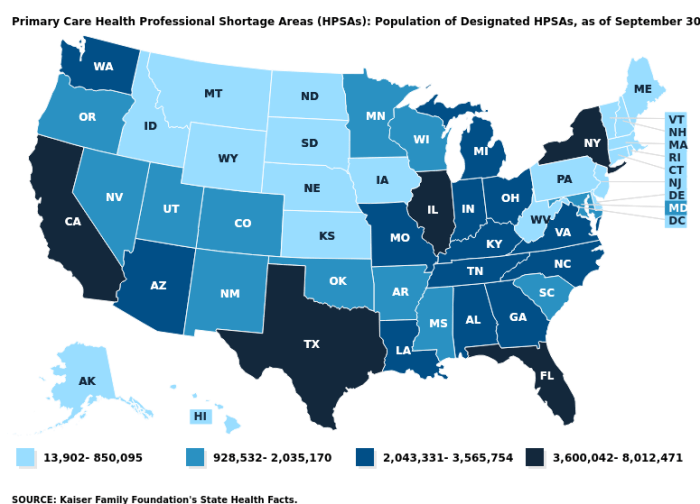
In the current healthcare system, there is a significant shortage of primary care doctors, which has led to various challenges in providing adequate healthcare services to the population.
Current Status of Primary Care Doctor Shortage
According to the Association of American Medical Colleges (AAMC), the United States is expected to face a shortage of up to 55,200 primary care physicians by 2032.
Impact on Patient Access to Healthcare
- The shortage of primary care doctors results in longer wait times for patients to schedule appointments and receive necessary medical care.
- Patients may resort to emergency rooms for non-emergency issues due to the lack of available primary care services, leading to increased healthcare costs.
- Rural areas and underserved communities are disproportionately affected by the shortage, limiting access to essential healthcare services.
Reasons Behind the Shortage
- Primary care specialties often have lower salaries compared to other medical specialties, leading medical students to choose more lucrative career paths.
- An aging population and increased demand for healthcare services have placed a strain on the existing primary care workforce.
- Burnout and high levels of stress among primary care physicians contribute to early retirement or career changes, further exacerbating the shortage.
Prescription Drugs
Prescription drugs play a crucial role in the treatment and management of various health conditions in primary care settings. They are prescribed by healthcare providers to help patients alleviate symptoms, manage chronic diseases, prevent complications, and improve overall health outcomes.
Generic vs. Brand-Name Prescription Drugs
When it comes to the effectiveness of prescription drugs, generic drugs are often considered as safe and efficient as their brand-name counterparts. Generic drugs have the same active ingredients, dosage, strength, route of administration, and intended use as brand-name drugs. The main difference lies in the cost, as generic drugs are typically more affordable due to lower production costs.
Challenges in Accessing Affordable Prescription Drugs
One of the major challenges that patients face is the high cost of prescription drugs. Many individuals struggle to afford their medications, leading to non-adherence or delayed treatment. Lack of insurance coverage, high deductibles, and rising drug prices contribute to the barriers in accessing affordable prescription drugs. This can have serious implications on the health outcomes of patients, especially those with chronic conditions.
Importance of Adherence to Prescription Drug Regimens
Adherence to prescription drug regimens is essential for successful primary care management. It ensures that patients receive the intended benefits of the medication and helps in controlling symptoms, preventing disease progression, and improving quality of life. Non-adherence can result in treatment failure, increased healthcare costs, hospitalizations, and complications. It is crucial for patients to follow their prescribed medication regimens as directed by their healthcare providers to achieve optimal health outcomes.
Preventive Medicine
Preventive medicine plays a crucial role in primary care by focusing on strategies and measures to prevent diseases and promote overall health and well-being. Primary care doctors are at the forefront of recommending and implementing preventive measures to help patients maintain good health and prevent the onset of various illnesses.
Importance of Preventive Medicine in Primary Care
Preventive medicine is essential in primary care as it helps in detecting and addressing health issues early on, before they escalate and require more intensive treatments. By emphasizing preventive measures, primary care doctors aim to reduce the burden of disease and improve the quality of life for patients.
Examples of Preventive Measures
- Regular screenings for conditions such as high blood pressure, cholesterol levels, and diabetes
- Encouraging healthy lifestyle habits such as exercise, balanced diet, and adequate sleep
- Immunizations and vaccinations to prevent infectious diseases
- Educating patients about the importance of preventive care and regular health check-ups
Impact on Healthcare Costs
By focusing on preventive medicine, primary care physicians can help reduce healthcare costs in the long run. Early detection and intervention can prevent the progression of diseases, leading to fewer hospitalizations and expensive treatments. Investing in preventive care ultimately saves money and resources for both patients and the healthcare system.
Promoting Preventive Healthcare Practices
- Developing personalized preventive care plans for patients based on their risk factors and medical history
- Providing education and resources to empower patients to take control of their health
- Emphasizing the importance of regular screenings and preventive measures during patient visits
- Collaborating with other healthcare professionals to ensure comprehensive and coordinated preventive care
Public Health
Public health initiatives are crucial for promoting and protecting the health of communities. Primary care plays a significant role in supporting these initiatives by providing essential healthcare services to individuals and families. Primary care doctors serve as the first point of contact for patients, addressing a wide range of health concerns and promoting preventive care practices.
Relationship between Primary Care and Public Health Initiatives
Primary care doctors are instrumental in addressing public health concerns through various means. They not only diagnose and treat individual patients but also work to identify and manage health issues at the population level. By focusing on preventive care, early detection, and health promotion, primary care physicians contribute to the overall well-being of communities.
- Primary care doctors collaborate with public health agencies to implement vaccination programs, disease surveillance, and health education initiatives.
- They play a key role in managing chronic conditions such as diabetes, hypertension, and obesity, which have a significant impact on public health outcomes.
- Primary care physicians also address mental health issues, substance abuse, and other social determinants of health that affect communities.
Key Public Health Issues Managed through Primary Care Interventions
Primary care interventions are effective in addressing a variety of public health issues, including:
- Preventable diseases such as influenza, pneumonia, and sexually transmitted infections.
- Health disparities related to race, ethnicity, socioeconomic status, and access to care.
- Maternal and child health concerns, including prenatal care, immunizations, and developmental screenings.
Impact of Improving Primary Care Access on Public Health Outcomes
Improving access to primary care services can have a positive impact on overall public health outcomes by:
- Reducing healthcare costs through early intervention and preventive care.
- Decreasing hospital admissions and emergency room visits for preventable conditions.
- Promoting health equity and addressing disparities in healthcare access and outcomes.
In conclusion, addressing the primary care doctor shortage is crucial for improving healthcare access and quality. By understanding the factors contributing to this shortage, we can work towards sustainable solutions that benefit both patients and the healthcare system as a whole.
Questions and Answers
What are the main reasons behind the shortage of primary care doctors?
The shortage is primarily due to factors like an aging population, physician burnout, and a preference for specialized fields that offer higher salaries.
How does the shortage of primary care doctors affect patient access to healthcare?
Patients may face longer wait times, limited appointment availability, and challenges in receiving timely and comprehensive care.
What impact does preventive medicine have on reducing healthcare costs?
Preventive measures recommended by primary care doctors can help identify and address health issues early on, reducing the need for costly treatments and hospitalizations.


