
Starting with Primary care integration, the narrative unfolds in a compelling and distinctive manner, drawing readers into a story that promises to be both engaging and uniquely memorable.
Primary care integration plays a crucial role in transforming healthcare systems by enhancing coordination and accessibility of services, ultimately leading to improved patient outcomes and overall quality of care.
Primary Care Integration
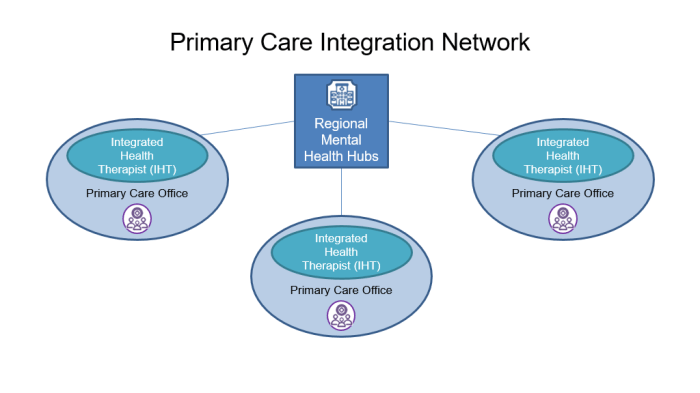
Primary care integration refers to the process of incorporating primary care services into broader healthcare systems to provide comprehensive and coordinated care to patients. It involves connecting various healthcare providers, services, and resources to ensure seamless delivery of care.
Significance of Primary Care Integration
Integrating primary care into healthcare systems has significant benefits, including improved access to care, better coordination of services, and enhanced patient outcomes. By bringing together a team of healthcare professionals, primary care integration ensures that patients receive holistic and personalized care tailored to their specific needs.
How Primary Care Integration Improves Patient Outcomes
- Enhanced preventive care: Primary care integration focuses on preventive services, such as screenings and vaccinations, which can help detect and address health issues early, leading to better outcomes.
- Improved chronic disease management: By coordinating care across different specialties, primary care integration can better manage chronic conditions like diabetes, hypertension, and heart disease, leading to better health outcomes for patients.
- Increased patient satisfaction: Patients benefit from having a primary care provider who knows their medical history and can coordinate their care effectively, leading to higher satisfaction levels and better adherence to treatment plans.
Challenges and Benefits of Integrating Primary Care
Integrating primary care into healthcare systems comes with its challenges and benefits:
- Challenges:
- Resistance to change from traditional healthcare models
- Coordination and communication barriers between different healthcare providers
- Resource constraints and financial challenges
- Benefits:
- Reduced healthcare costs through preventive care and better management of chronic conditions
- Improved patient outcomes and satisfaction levels
- Enhanced care coordination and continuity for patients
Prescription Drugs
Prescription drugs play a crucial role in managing various health conditions by helping to alleviate symptoms, treat illnesses, and improve overall health outcomes.
Impact of Prescription Drug Costs
The rising cost of prescription drugs has become a significant concern for patients and healthcare systems alike. High drug prices can lead to financial strain on individuals, making it challenging for them to afford necessary medications. This can result in patients skipping doses or not filling their prescriptions, ultimately leading to poorer health outcomes. Additionally, healthcare systems may struggle to cover the costs of expensive medications, impacting overall patient care and resource allocation.
Importance of Adherence to Prescription Drug Regimens
Adherence to prescription drug regimens is crucial for achieving optimal health outcomes. Following the prescribed dosage and schedule helps ensure that the medication is effective in treating the condition it was intended for. Non-adherence can lead to treatment failure, worsening of symptoms, and even drug resistance. It is essential for patients to understand the importance of taking their medications as directed by healthcare providers to manage their health conditions effectively.
Preventive Medicine
Preventive medicine plays a crucial role in maintaining the health of the population by focusing on preventing diseases before they occur. This approach involves identifying risk factors, promoting healthy behaviors, and providing vaccinations to reduce the likelihood of illness.
Benefits of Preventive Medicine
- Reduces healthcare costs by preventing expensive treatments for advanced diseases.
- Improves quality of life by promoting early detection and intervention.
- Increases life expectancy by addressing underlying health issues before they become severe.
Strategies for Promoting Preventive Medicine
- Offer regular health screenings and check-ups to detect potential health problems early.
- Provide education on healthy lifestyle habits, such as proper nutrition and regular exercise.
- Encourage vaccinations to prevent the spread of infectious diseases in the community.
- Implement incentives for patients who participate in preventive care programs.
Public Health
Public health plays a crucial role in ensuring the well-being of communities by focusing on preventing diseases and promoting healthy lifestyles. The integration of primary care with public health initiatives is essential in achieving optimal health outcomes for the population.
Primary Care Contribution to Population Health
- Primary care serves as the frontline of the healthcare system, providing essential services such as preventive care, chronic disease management, and early intervention.
- By promoting regular screenings, vaccinations, and lifestyle modifications, primary care helps prevent the onset of diseases and reduces the burden on the healthcare system.
- Primary care physicians also play a key role in identifying and addressing social determinants of health that impact population health outcomes.
Role of Public Health Agencies
- Public health agencies support primary care integration efforts by collaborating with healthcare providers to develop and implement population health strategies.
- They collect and analyze data to identify health trends and disparities within communities, guiding primary care practices in addressing specific health needs.
- Public health agencies also advocate for policies that promote access to quality primary care services, especially for underserved populations, to improve overall population health.
In conclusion, Primary care integration stands as a cornerstone in the evolution of healthcare, offering a pathway towards more efficient, patient-centered, and cost-effective systems that prioritize preventive care and public health initiatives.
FAQ Summary
What is the significance of primary care integration?
Primary care integration enhances coordination between different healthcare services, leading to better patient outcomes and improved quality of care.
How does preventive medicine relate to primary care integration?
Preventive medicine plays a vital role in primary care integration by focusing on maintaining population health and reducing healthcare costs through early intervention and disease prevention.
What challenges are faced when integrating primary care into healthcare systems?
Challenges include resistance to change, lack of resources, and the need for effective communication and collaboration among healthcare providers.


