
Starting with Generic prescription drugs, the discussion delves into how these cost-effective alternatives play a crucial role in the healthcare system, ensuring access to essential medications for all. It explores the differences between generic and brand-name drugs, shedding light on the significance of generic drugs in reducing healthcare expenses without compromising quality.
Moving forward, we will explore the impact and benefits of generic prescription drugs on individuals and the healthcare system as a whole, highlighting their importance in making healthcare more affordable and accessible for everyone.
Generic Prescription Drugs
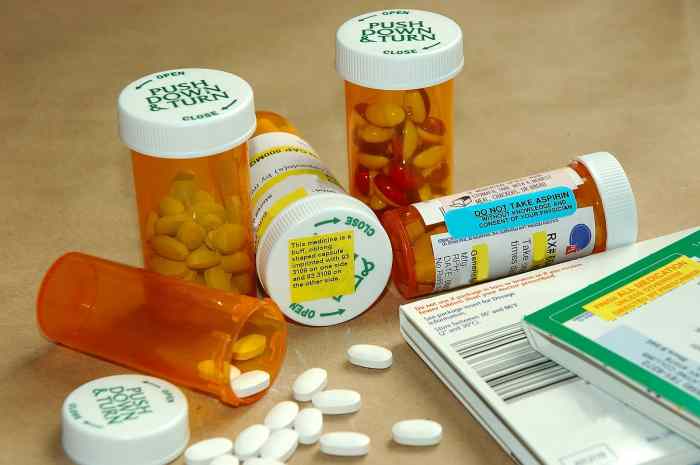
Generic prescription drugs are medications that are bioequivalent to brand-name drugs in terms of dosage, strength, safety, route of administration, quality, performance characteristics, and intended use. These drugs are typically sold under their chemical names rather than a brand name and are usually produced after the patent of the original brand-name drug expires.
Comparison with Brand-Name Drugs
When comparing generic prescription drugs with brand-name drugs, the main difference lies in their cost. Generic drugs are generally more affordable because they do not require the same level of investment in research, development, and marketing as brand-name drugs. However, despite the lower cost, generic drugs are equally effective and safe to use.
Importance in Healthcare Cost Reduction
The availability of generic prescription drugs plays a crucial role in reducing healthcare costs. By offering a more cost-effective alternative to brand-name drugs, generic medications help make essential treatments more accessible to a larger population. This cost savings benefits patients, healthcare providers, and insurance companies alike, contributing to overall healthcare affordability and sustainability.
Prescription Drugs
Prescription drugs are medications that can only be obtained with a prescription from a healthcare provider. These drugs are regulated by the government due to their potential risks and the need for proper medical supervision.
Examples of Common Prescription Drugs:
- Lipitor (atorvastatin) for high cholesterol
- Synthroid (levothyroxine) for hypothyroidism
- Xanax (alprazolam) for anxiety
- Zoloft (sertraline) for depression
Process of Obtaining Prescription Drugs from a Healthcare Provider:
When a patient needs a prescription drug, they must schedule an appointment with a healthcare provider, such as a doctor or nurse practitioner. During the appointment, the healthcare provider will assess the patient’s condition, make a diagnosis, and determine if a prescription drug is necessary. If a prescription drug is deemed appropriate, the healthcare provider will write a prescription with specific instructions for the patient to follow.
Preventive Medicine
Prescription drugs play a crucial role in preventive medicine by helping individuals manage and reduce their risk of developing various diseases and conditions.
Benefits of Prescription Drugs in Preventive Medicine
- Prescription drugs can help lower blood pressure and cholesterol levels, reducing the risk of heart disease and stroke.
- Medications such as vaccines can prevent infectious diseases like influenza, measles, and hepatitis.
- Hormone replacement therapy can reduce the risk of osteoporosis in postmenopausal women.
- Antibiotics can treat bacterial infections and prevent complications that may arise if left untreated.
Impact of Preventive Medicine on Overall Health Outcomes
- Preventive medicine focuses on identifying risk factors early and taking proactive measures to address them, leading to better health outcomes.
- By preventing the onset of diseases, prescription drugs can help individuals lead healthier lives and reduce healthcare costs associated with treating advanced illnesses.
- Regular screenings and vaccinations, along with the use of prescription medications, can significantly reduce the burden of preventable diseases on individuals and the healthcare system.
Primary Care
Primary care plays a crucial role in the healthcare system, serving as the first point of contact for patients seeking medical assistance.
Relationship between Prescription Drugs and Primary Care
Prescription drugs are commonly prescribed by primary care physicians to manage various health conditions and promote overall well-being in patients. These medications are essential in treating acute illnesses, managing chronic conditions, and preventing disease progression.
How Primary Care Physicians Prescribe Medications
- Primary care physicians conduct thorough assessments, including medical history reviews and physical examinations, to diagnose health conditions accurately.
- Based on the diagnosis, primary care physicians determine the appropriate treatment plan, which may include prescribing medications to alleviate symptoms or address the root cause of the issue.
- Primary care physicians also consider factors such as patient age, medical history, allergies, and potential drug interactions when prescribing medications to ensure patient safety and efficacy.
Role of Prescription Drugs in Managing Chronic Conditions in Primary Care Settings
- Prescription drugs are instrumental in managing chronic conditions, such as diabetes, hypertension, and asthma, in primary care settings.
- Primary care physicians work closely with patients to develop individualized treatment plans that may include a combination of medications, lifestyle modifications, and regular monitoring to effectively manage chronic conditions.
- By prescribing appropriate medications and providing ongoing support, primary care physicians help patients maintain their health, improve quality of life, and prevent complications associated with chronic illnesses.
Public Health
Prescription drugs play a crucial role in public health by helping individuals manage and treat various medical conditions. Access to these medications is essential for maintaining the well-being of communities worldwide.
Impact of Prescription Drugs on Public Health
Prescription drugs have significantly improved public health outcomes by effectively treating illnesses and chronic conditions. They have helped reduce mortality rates and improve the quality of life for many individuals.
- Prescription drugs have contributed to the control and management of infectious diseases such as HIV/AIDS and tuberculosis.
- They have also played a key role in preventing and managing non-communicable diseases like diabetes, hypertension, and heart disease.
- The availability of prescription drugs has allowed for timely treatment of acute conditions, reducing the severity of illnesses and complications.
Accessibility of Prescription Drugs in Different Communities
The accessibility of prescription drugs varies across different communities, impacting individuals’ ability to obtain necessary medications for their health needs.
- Low-income communities may face barriers such as cost and lack of healthcare facilities, limiting access to prescription drugs.
- Rural areas often have limited access to pharmacies and healthcare providers, making it challenging for residents to obtain prescriptions.
- Communities with diverse populations may encounter language and cultural barriers that affect their access to prescription drugs and healthcare services.
Public Health Initiatives Related to Prescription Drug Use and Safety
Public health initiatives focus on promoting safe and effective use of prescription drugs to minimize risks and maximize benefits for individuals and communities.
- Educational campaigns raise awareness about proper medication use, potential side effects, and the importance of adherence to treatment regimens.
- Regulatory measures ensure the quality and safety of prescription drugs through rigorous testing, monitoring, and oversight by health authorities.
- Community outreach programs aim to improve access to prescription drugs for underserved populations and address disparities in healthcare delivery.
In conclusion, Generic prescription drugs offer a practical solution to rising healthcare costs, providing patients with safe and effective alternatives to expensive brand-name medications. By promoting the use of generic drugs, we can create a more sustainable and inclusive healthcare system that prioritizes affordability and quality care for all.
Commonly Asked Questions
Are generic drugs as effective as brand-name drugs?
Yes, generic drugs have the same active ingredients and are FDA-approved to be as safe and effective as brand-name drugs.
Why are generic drugs cheaper than brand-name drugs?
Generic drugs are cheaper because they do not require expensive research and marketing costs, allowing them to be more affordable for consumers.
Can I ask my doctor to prescribe generic drugs instead of brand-name ones?
Yes, you can always discuss with your healthcare provider about opting for generic drugs to save on prescription costs without compromising on quality.


