Diving into Prescription drug monitoring programs, this introduction provides a captivating glimpse into the world of combating substance abuse and promoting public health initiatives. With a focus on clarity and conciseness, readers are drawn into a thought-provoking exploration of the topic.
Exploring the purpose, goals, and successful examples of Prescription Drug Monitoring Programs sets the stage for a comprehensive discussion ahead.
Overview of Prescription Drug Monitoring Programs
Prescription Drug Monitoring Programs (PDMPs) are state-run electronic databases that track the prescribing and dispensing of controlled substances. These programs aim to help healthcare providers and pharmacists identify potential cases of drug misuse or abuse by monitoring patients’ medication histories.
Purpose and Goals of PDMPs
PDMPs serve several purposes, including:
- Preventing prescription drug abuse and diversion
- Assisting healthcare providers in making informed decisions about prescribing controlled substances
- Identifying patients who may be at risk for substance use disorders
- Improving patient care and safety
Examples of Successful PDMPs
Some states in the U.S. with successful PDMPs include:
- Florida: Implemented a mandatory use policy for healthcare providers to check the database before prescribing controlled substances
- New York: Enhanced their PDMP by integrating it with electronic health records to provide real-time data to prescribers
- Kentucky: Implemented a robust PDMP that has significantly reduced doctor shopping and prescription drug abuse in the state
Importance of Prescription Drug Monitoring Programs
Prescription Drug Monitoring Programs play a crucial role in addressing the widespread issue of substance abuse. These programs help track and monitor the prescribing, dispensing, and use of controlled substances, ultimately aiming to curb misuse and prevent addiction.
Combatting Substance Abuse
Prescription Drug Monitoring Programs provide healthcare providers with valuable information about a patient’s prescription history, enabling them to identify potential signs of abuse or misuse. By detecting patterns of excessive medication use or “doctor shopping,” these programs help prevent individuals from obtaining multiple prescriptions for addictive substances.
Contribution to Public Health Initiatives
These programs contribute significantly to public health initiatives by promoting safer prescribing practices and reducing the availability of controlled substances in the illicit market. By monitoring prescription patterns and identifying high-risk individuals, Prescription Drug Monitoring Programs help prevent overdose deaths and the spread of substance use disorders.
Effectiveness of Prescription Drug Monitoring Programs
Research has shown that states with robust Prescription Drug Monitoring Programs experience lower rates of opioid prescribing, opioid-related hospitalizations, and overdose deaths. A study published in the Journal of the American Medical Association revealed that the implementation of these programs was associated with a 30% decrease in the rate of prescribing high-dose opioids.
Implementation and Operation of Prescription Drug Monitoring Programs
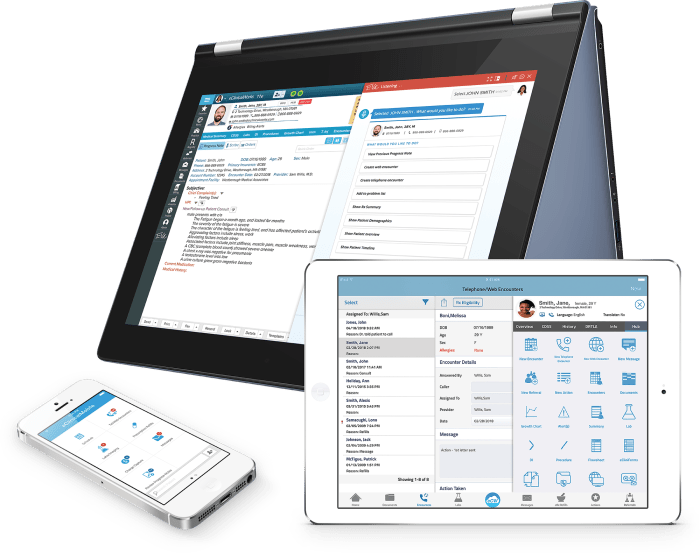
Setting up a Prescription Drug Monitoring Program involves several key steps to ensure its effective implementation and operation.
Steps Involved in Setting Up a Prescription Drug Monitoring Program
- Establishing legal framework and regulations to govern the program.
- Securing funding for the development and maintenance of the program.
- Implementing a system for healthcare providers to report prescription data.
- Developing a database to store and track prescription information.
- Training healthcare professionals on how to use the monitoring program effectively.
Technology or Software Used to Track Prescription Drug Data
Prescription Drug Monitoring Programs utilize sophisticated software systems to track and monitor prescription drug data effectively.
These software systems are designed to securely store and analyze prescription information, helping healthcare providers identify potential cases of misuse or abuse.
Challenges Faced in Implementing and Operating Prescription Drug Monitoring Programs
- Lack of uniformity in state regulations leading to inconsistencies in data reporting and sharing.
- Privacy concerns regarding the collection and storage of sensitive patient information.
- Integration issues with existing healthcare systems and electronic medical records.
- Limited resources and funding for the continuous maintenance and improvement of monitoring programs.
Role of Prescription Drug Monitoring Programs in Preventive Medicine
Prescription Drug Monitoring Programs play a crucial role in preventive medicine by helping to curb prescription drug misuse and overdose cases. These programs provide healthcare providers with valuable information to ensure that patients are receiving appropriate medications and are not engaging in risky behaviors.
Preventing Prescription Drug Misuse and Overdose
- By tracking patients’ prescription history, healthcare providers can identify patterns of misuse or potential abuse of medications.
- Early detection of problematic behavior allows for timely intervention and the implementation of preventive measures.
- Healthcare providers can use this information to educate patients about the risks associated with certain medications and monitor their adherence to treatment plans.
Role of Healthcare Providers
- Healthcare providers play a critical role in utilizing Prescription Drug Monitoring Programs to safeguard patients from the dangers of prescription drug misuse.
- By regularly checking the prescription history of their patients, healthcare providers can ensure that medications are being used as intended and identify any red flags that may indicate misuse.
- Collaboration between healthcare providers and monitoring programs enhances patient safety and promotes responsible prescribing practices.
Success Stories and Case Studies
- In a case study conducted in a primary care setting, the implementation of a Prescription Drug Monitoring Program led to a significant decrease in opioid overdose cases among patients.
- A success story from a pain management clinic highlighted how the use of monitoring programs helped identify patients at risk of addiction and facilitated early intervention to prevent adverse outcomes.
- Several states have reported a decline in prescription drug misuse rates following the implementation of robust monitoring programs, demonstrating the positive impact on preventive medicine.
Integration of Prescription Drug Monitoring Programs in Primary Care
Primary care physicians play a crucial role in utilizing Prescription Drug Monitoring Programs (PDMPs) to improve patient care and combat prescription drug misuse. By integrating these programs into their practice, they can better track and manage patients’ controlled substance prescriptions, ultimately enhancing patient safety and outcomes.
Benefits of Integrating PDMPs in Primary Care Settings
- Enhanced patient safety: Primary care providers can identify potential cases of drug misuse, diversion, or polypharmacy by accessing PDMP data, allowing for timely interventions to prevent adverse events.
- Improved clinical decision-making: PDMPs provide valuable information on patients’ medication history, enabling physicians to make more informed decisions when prescribing controlled substances.
- Reduced prescription drug abuse: By monitoring patients’ prescription patterns through PDMPs, primary care physicians can help curb the misuse and abuse of opioids and other controlled substances.
Best Practices for Primary Care Providers Using PDMPs
- Regularly check PDMP data before prescribing controlled substances to ensure patient safety and prevent potential misuse.
- Use PDMP information as a tool for patient education and counseling regarding the risks and benefits of controlled substances.
- Collaborate with other healthcare providers and pharmacists to share PDMP data and coordinate care for patients with complex medication regimens.
Public Health Implications of Prescription Drug Monitoring Programs
Prescription Drug Monitoring Programs (PDMPs) play a crucial role in larger public health strategies by helping to combat the opioid epidemic, prevent prescription drug abuse, and reduce overdose deaths.
Government Support for Prescription Drug Monitoring Programs
- Government agencies provide funding and resources to establish and maintain PDMPs.
- Regulatory bodies set guidelines and standards for the operation of PDMPs to ensure consistency and effectiveness.
- Laws and policies are enacted to mandate healthcare providers to use PDMPs when prescribing controlled substances.
Societal Impact of Prescription Drug Monitoring Programs
- PDMPs help identify patients at risk of addiction or overdose, leading to early intervention and treatment.
- By monitoring prescribing patterns, PDMPs can detect and prevent doctor shopping and drug diversion.
- Communities benefit from reduced drug-related crimes and healthcare costs associated with substance abuse.
In conclusion, Prescription drug monitoring programs play a pivotal role in preventive medicine, primary care, and broader public health strategies. With the potential to transform healthcare practices and improve patient outcomes, these programs continue to be a critical tool in addressing prescription drug misuse and overdose.
FAQ Overview
How do Prescription Drug Monitoring Programs work?
Prescription Drug Monitoring Programs track prescription drug data to prevent misuse and abuse by providing healthcare providers with valuable information.
What role do healthcare providers play in these programs?
Healthcare providers utilize Prescription Drug Monitoring Programs to ensure safe prescribing practices and identify potential risks for patients.
Are Prescription Drug Monitoring Programs effective?
Research findings indicate that these programs are effective in reducing prescription drug misuse and enhancing public health outcomes.


