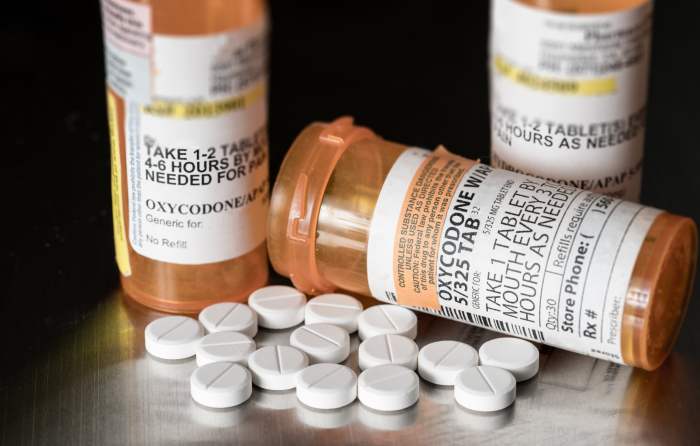
Embark on a journey through the world of opioid prescription drugs, exploring their risks and prevention strategies in a nuanced manner.
Delve into the details of various types of opioids, their medical uses, and the potential dangers associated with their misuse.
Overview of Opioid Prescription Drugs
Opioid prescription drugs are medications that are used to manage pain by interacting with opioid receptors in the brain and body. These drugs are typically prescribed for moderate to severe pain that does not respond well to other pain medications.
Common Types of Opioid Prescription Drugs
- Morphine: Morphine is a powerful opioid often used for severe pain, such as after surgery or for cancer-related pain.
- Oxycodone: Oxycodone is commonly prescribed for moderate to severe pain and is available in immediate-release and extended-release forms.
- Hydrocodone: Hydrocodone is frequently combined with acetaminophen or ibuprofen and is used for pain relief, typically after injuries or dental procedures.
- Fentanyl: Fentanyl is a potent synthetic opioid that is often used for severe pain, such as in cancer patients or during surgery.
Medical Conditions Opioid Prescription Drugs are Prescribed for
- Postoperative Pain: Opioid drugs are commonly prescribed to manage pain after surgical procedures.
- Chronic Pain: Patients with conditions like cancer, arthritis, or back pain may be prescribed opioids for long-term pain management.
- Acute Pain: Opioids are also used for short-term pain relief, such as after injuries or dental procedures.
Risks and Side Effects
Opioid prescription drugs come with a range of potential risks and side effects that individuals need to be aware of before starting treatment. These medications, while effective in managing pain, can also pose serious health concerns if not used properly.
Potential Risks of Opioid Prescription Drugs
- Physical dependence: Opioids have a high potential for physical dependence, meaning that the body can develop a tolerance to the drug over time, requiring higher doses to achieve the same effect.
- Respiratory depression: One of the most dangerous side effects of opioids is respiratory depression, where breathing becomes slow and shallow, potentially leading to a life-threatening situation.
- Overdose: Opioid overdose is a significant risk, especially when individuals misuse or combine opioids with other substances like alcohol or benzodiazepines.
- Increased sensitivity to pain: Prolonged use of opioids can actually lead to increased sensitivity to pain, a phenomenon known as opioid-induced hyperalgesia.
Common Side Effects of Prolonged Opioid Use
- Constipation: Opioids can slow down the digestive system, leading to constipation, which can be a persistent and uncomfortable side effect.
- Nausea and vomiting: Many individuals experience nausea and vomiting as common side effects of opioid use, which can impact their quality of life.
- Drowsiness and sedation: Opioids can cause drowsiness and sedation, affecting an individual’s ability to concentrate and perform daily tasks.
- Itching and sweating: Some people may experience itching, sweating, or flushing of the skin as side effects of opioid medications.
Addictive Properties of Opioids
- Opioids are highly addictive substances, leading to psychological dependence and cravings for the drug even after the pain has subsided.
- Compared to other types of prescription drugs, opioids have a higher risk of addiction due to their impact on the brain’s reward system and the development of tolerance over time.
- Withdrawal symptoms from opioids can be severe, including anxiety, restlessness, muscle aches, and insomnia, making it challenging for individuals to stop using the drug once they have become dependent.
Prescription Drug Misuse and Addiction
Prescription drugs, including opioids, can be misused when taken in ways or doses other than prescribed by a healthcare professional. This misuse can lead to addiction and other serious health risks.
Factors Contributing to Opioid Addiction
Several factors can contribute to opioid addiction, including:
- Genetic predisposition: Some individuals may be more genetically vulnerable to developing addiction.
- Psychological factors: Mental health conditions or trauma can increase the risk of addiction.
- Physical dependence: Continued use of opioids can lead to physical dependence, making it harder to stop using them.
- Social environment: Peer pressure, easy access to opioids, and social norms can influence addiction.
Strategies for Preventing Prescription Drug Addiction
There are various strategies that can help prevent prescription drug addiction, such as:
- Educating patients: Providing information on the risks of prescription drugs and how to use them safely.
- Monitoring prescriptions: Healthcare providers can closely monitor the use of opioids and intervene if misuse is suspected.
- Alternative treatments: Exploring non-opioid pain management options for chronic pain conditions.
- Proper disposal: Encouraging the safe disposal of unused prescription drugs to prevent misuse.
Role of Preventive Medicine in Addressing Opioid Misuse

Preventive medicine plays a crucial role in addressing the misuse of opioid prescription drugs. By focusing on proactive measures, healthcare providers can help prevent the development of opioid addiction and promote safer usage among patients.
Importance of Early Intervention
- Early intervention is key in preventing opioid addiction before it escalates. Healthcare providers can identify risk factors and warning signs in patients early on, allowing for timely intervention.
- By addressing potential misuse at the onset, healthcare professionals can steer patients towards alternative pain management strategies and reduce the reliance on opioids.
- Education and awareness about the risks of opioid misuse can be effectively communicated during early interventions, empowering patients to make informed decisions about their treatment.
Incorporating Preventive Measures
- Healthcare providers can implement screening tools to assess a patient’s risk of opioid misuse before prescribing these medications.
- Utilizing prescription drug monitoring programs helps track patients’ opioid prescriptions and identify patterns of misuse or diversion.
- Encouraging open communication between patients and providers fosters a collaborative approach to pain management, ensuring that treatment plans are tailored to individual needs and risks.
Primary Care and Opioid Prescription
Primary care physicians play a crucial role in prescribing opioid medications to patients who are experiencing acute or chronic pain. These healthcare providers are often the first point of contact for individuals seeking relief from pain, making their decisions on opioid prescriptions vital in managing patient care effectively.
Guidelines for Opioid Prescription by Primary Care Providers
- Primary care physicians must conduct a thorough assessment of the patient’s medical history, pain levels, and previous treatments before considering opioid therapy.
- They follow established guidelines, such as those from the Centers for Disease Control and Prevention (CDC), to determine the appropriate dosage, duration, and monitoring requirements for opioid prescriptions.
- Primary care doctors are encouraged to discuss the risks and benefits of opioid therapy with patients and obtain informed consent before initiating treatment.
Challenges Faced by Primary Care Doctors
- One of the main challenges primary care physicians encounter is striking a balance between adequately addressing a patient’s pain while minimizing the risks of opioid misuse, addiction, and overdose.
- Managing patients with chronic pain can be complex, requiring ongoing monitoring, adjustments to treatment plans, and collaboration with pain management specialists or other healthcare professionals.
- Primary care providers also face challenges in identifying and addressing patients who may be at risk of opioid misuse or addiction, requiring a delicate approach to ensure patient safety and well-being.
Public Health Concerns
When it comes to opioid prescription drug misuse, the public health implications are far-reaching and significant. This issue not only impacts individuals but also has broader effects on communities and healthcare systems.
Impact on Communities and Healthcare Systems
- Opioid addiction can lead to increased healthcare costs as individuals require medical treatment for addiction-related issues.
- Communities may experience higher rates of crime and unemployment due to the effects of opioid misuse.
- Healthcare systems may become strained, with hospitals and treatment facilities overwhelmed by the demand for services related to opioid addiction.
Public Health Initiatives
-
Prescription Drug Monitoring Programs (PDMPs)
are implemented to track prescriptions and help identify potential cases of misuse or abuse.
-
Community education and outreach programs
aim to raise awareness about the risks of opioid misuse and provide resources for prevention and treatment.
-
Naloxone distribution programs
equip individuals with the overdose-reversal medication to prevent deaths from opioid-related emergencies.
In conclusion, the complex landscape of opioid prescription drugs unveils a pressing need for awareness, education, and proactive measures to combat addiction and promote responsible usage.
Quick FAQs
What are the signs of opioid addiction?
Opioid addiction signs include increased tolerance, withdrawal symptoms, and prioritizing drug use over other activities.
Are all opioid prescription drugs equally addictive?
No, some opioids are more potent and carry a higher risk of addiction compared to others.
How can healthcare providers help prevent opioid misuse?
Healthcare providers can educate patients on proper medication use, monitor prescriptions closely, and explore alternative pain management strategies.


