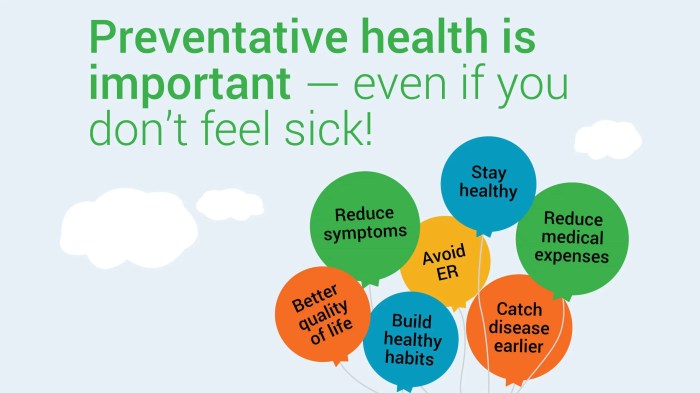
Exploring the realm of preventive medicine health benefits, this introduction delves into the importance of disease prevention and early detection, highlighting the role of proactive healthcare measures in enhancing overall well-being.
Detailing the significance of preventive medicine in reducing healthcare costs and promoting a healthier lifestyle, this overview sets the stage for a comprehensive discussion on the subject.
Importance of Preventive Medicine
Preventive medicine plays a crucial role in maintaining overall health and well-being by focusing on disease prevention rather than just treatment. By adopting preventive measures, individuals can reduce the risk of developing various health conditions and improve their quality of life.
Examples of Preventive Measures
- Vaccinations: Getting vaccinated against diseases such as influenza, measles, and HPV can help prevent infections and outbreaks.
- Regular Check-ups: Scheduling routine health screenings and check-ups can aid in early detection of potential health issues, allowing for timely intervention and treatment.
- Healthy Lifestyle Choices: Adopting a balanced diet, engaging in regular physical activity, managing stress, and avoiding harmful habits like smoking and excessive alcohol consumption can significantly impact overall health and well-being.
Benefits of Preventive Medicine
Preventive medicine plays a crucial role in not only improving individual health but also in reducing healthcare costs on a larger scale. By focusing on preventive measures, individuals can avoid costly medical treatments for preventable diseases, ultimately leading to a decrease in healthcare expenses.
Reducing Healthcare Costs
- Regular check-ups and screenings help in early detection of potential health issues, allowing for timely intervention and preventing the progression of diseases that may require expensive treatments.
- Preventive measures such as vaccinations and lifestyle modifications can significantly reduce the risk of developing chronic conditions, ultimately lowering the burden on the healthcare system.
- Investing in preventive medicine programs can lead to long-term cost savings by preventing the need for costly medical procedures and hospitalizations.
Early Detection of Diseases
- Screenings and tests conducted as part of preventive medicine programs can detect diseases in their early stages when treatment is most effective, improving overall treatment outcomes and prognosis.
- Early detection of conditions such as cancer can lead to successful treatment interventions, potentially saving lives and reducing the need for extensive and expensive treatments in later stages of the disease.
Promoting Overall Well-being
- Preventive medicine emphasizes the importance of healthy lifestyle choices, including regular exercise, balanced diet, and stress management, which contribute to overall well-being and quality of life.
- By focusing on prevention, individuals can avoid the physical, emotional, and financial toll of dealing with chronic illnesses, leading to a better quality of life and increased longevity.
- Health education and awareness programs associated with preventive medicine empower individuals to take control of their health and make informed decisions that positively impact their well-being.
Role of Prescription Drugs in Preventive Medicine

Prescription drugs play a crucial role in preventive medicine by helping manage risk factors and reducing the likelihood of developing certain diseases. They are often used to control underlying conditions and improve overall health outcomes.
Use of Prescription Drugs in Preventive Medicine
Prescription drugs are commonly used to address risk factors such as high blood pressure, high cholesterol, and diabetes. By taking these medications as prescribed, individuals can lower their chances of developing heart disease, stroke, and other serious health issues.
- Statins: These drugs are used to lower cholesterol levels and reduce the risk of heart disease.
- ACE Inhibitors: Used to treat high blood pressure and improve heart function.
- Antiplatelet Agents: Help prevent blood clots and reduce the risk of stroke.
Importance of Medication Adherence in Preventive Healthcare
Medication adherence is crucial in preventive healthcare as it ensures that individuals receive the full benefits of their prescribed drugs. Skipping doses or not taking medications as directed can lead to ineffective treatment and increased risk of complications. It is essential for individuals to follow their healthcare provider’s instructions and take medications consistently to achieve the desired preventive outcomes.
Primary Care in Preventive Medicine
Primary care physicians play a crucial role in promoting preventive healthcare by focusing on early detection, prevention, and management of various health conditions. They serve as the first point of contact for patients and are responsible for coordinating their overall care.
Role of Primary Care Physicians
Primary care practices emphasize preventive services and routine screenings to identify potential health risks before they escalate into serious conditions. These physicians work closely with patients to develop personalized health plans that include lifestyle modifications, vaccinations, and screenings based on individual risk factors.
- Primary care physicians conduct regular check-ups to monitor patients’ health status and detect any warning signs of potential health issues.
- They provide counseling on healthy lifestyle habits, such as diet, exercise, and stress management, to prevent chronic diseases like obesity, diabetes, and heart disease.
- Primary care physicians also manage chronic conditions by prescribing medications, monitoring progress, and adjusting treatment plans as needed to prevent complications.
Impact on Overall Health Outcomes
The role of primary care in preventive medicine is crucial for improving overall health outcomes and disease prevention. By focusing on early intervention and risk reduction, primary care physicians can help patients maintain optimal health and well-being.
- Studies have shown that individuals who receive regular primary care services have lower rates of hospitalization, emergency room visits, and overall healthcare costs.
- Primary care practices help reduce the burden on the healthcare system by addressing health issues proactively and preventing the progression of diseases.
- Patients who establish long-term relationships with their primary care physicians are more likely to adhere to preventive care recommendations and achieve better health outcomes.
Public Health Initiatives for Preventive Medicine
Public health initiatives play a crucial role in promoting preventive medicine within communities. These programs focus on raising awareness about the importance of preventive healthcare and implementing strategies to encourage individuals to adopt healthy behaviors.
Community Health Education Programs
- Community health education programs aim to inform individuals about the benefits of preventive medicine and empower them to make informed decisions about their health.
- These programs often include workshops, seminars, and outreach events to provide information on healthy lifestyle choices, disease prevention, and early detection of health conditions.
- By educating the public about the importance of preventive measures, these initiatives help reduce the burden of chronic diseases and improve overall health outcomes in communities.
Public Health Campaigns
- Public health campaigns utilize various media channels to disseminate messages about preventive healthcare and encourage individuals to engage in health-promoting behaviors.
- These campaigns often focus on specific health issues, such as vaccination awareness, smoking cessation, and regular health screenings, to target key areas of prevention.
- By raising awareness and promoting positive health behaviors, public health campaigns can lead to significant improvements in population health and reduce healthcare costs associated with preventable diseases.
Successful Interventions
- The “5-2-1-0” campaign, which promotes five servings of fruits and vegetables, two hours or less of screen time, one hour of physical activity, and zero sugary drinks per day, has been successful in encouraging healthy habits among children and families.
- The “Text4baby” program, which provides free text messages with health tips and reminders to pregnant women and new mothers, has led to improved maternal and infant health outcomes.
- The “Tips From Former Smokers” campaign by the CDC has helped thousands of smokers quit tobacco use and reduce their risk of developing smoking-related diseases.
In conclusion, the benefits of preventive medicine are vast, ranging from cost-effectiveness to improved quality of life. By prioritizing prevention over treatment, individuals can proactively manage their health and well-being, leading to a healthier and happier life.
Key Questions Answered
How can preventive medicine help in reducing healthcare costs?
Preventive medicine focuses on early detection and disease prevention, which can lead to fewer medical interventions and lower expenses in the long run.
What are some examples of preventive measures in preventive medicine?
Examples include vaccinations, regular health check-ups, maintaining a healthy diet, and engaging in regular physical activity.
Why is medication adherence important in preventive healthcare?
Adhering to prescribed medications ensures that individuals are effectively managing risk factors and preventing potential health issues.


