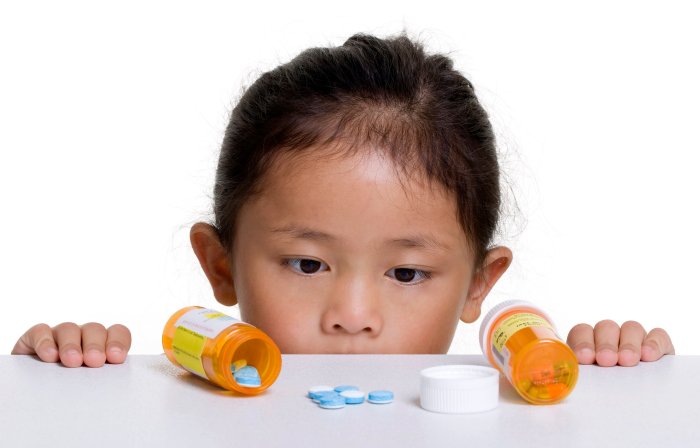
As Preventive medicine for children takes center stage, this topic delves into the importance of early interventions and holistic care to safeguard children’s well-being. From discussing preventive measures to highlighting the long-term benefits, this comprehensive guide aims to empower parents and caregivers with valuable insights.
Importance of Preventive Medicine for Children
Preventive medicine plays a critical role in safeguarding the health and well-being of children. By focusing on proactive measures to prevent illnesses and promote healthy habits, we can ensure that children grow up with a strong foundation for a healthy future.
Examples of Preventive Measures for Children
- Regular vaccinations to protect against common childhood diseases such as measles, mumps, and chickenpox.
- Promoting a balanced diet rich in fruits, vegetables, and whole grains to support overall health and development.
- Encouraging physical activity to maintain a healthy weight and reduce the risk of chronic conditions like diabetes and heart disease.
- Regular dental check-ups and good oral hygiene practices to prevent cavities and gum disease.
- Teaching good hygiene habits like handwashing to reduce the spread of infections.
Long-Term Benefits of Investing in Preventive Care for Children
- Reduction in healthcare costs by preventing the need for expensive treatments for preventable diseases.
- Improved academic performance and attendance due to better overall health and fewer sick days.
- Promotion of healthy habits that can last a lifetime, reducing the risk of chronic conditions in adulthood.
- Enhanced quality of life for children by ensuring they grow up healthy and active.
Role of Prescription Drugs in Preventive Medicine

Prescription drugs play an essential role in preventive medicine for children by helping to manage and reduce the risk of various illnesses and conditions. These medications are specifically designed to prevent the onset or progression of diseases, ultimately promoting the overall health and well-being of pediatric patients.
Examples of Common Prescription Drugs for Preventive Purposes
- Antibiotics: Used to prevent bacterial infections such as strep throat, pneumonia, or urinary tract infections.
- Vaccines: Administered to prevent the development of serious illnesses like measles, mumps, rubella, and influenza.
- Asthma Medications: Prescribed to control asthma symptoms and prevent asthma attacks in children with the condition.
- Antiviral Drugs: Given to prevent viral infections such as HIV or herpes in high-risk pediatric populations.
Importance of Proper Dosage and Administration
Proper dosage and administration of prescription drugs are crucial in preventive care for children. Ensuring that medications are given at the correct dosage and frequency as prescribed by healthcare providers is essential to achieve the desired preventive outcomes. Incorrect dosing can lead to treatment failure, adverse effects, or even drug resistance, compromising the effectiveness of preventive measures.
Primary Care in Preventive Medicine
Primary care plays a crucial role in promoting preventive medicine for children by serving as the first point of contact for healthcare services. This level of care focuses on preventing illnesses and promoting overall well-being through regular check-ups, vaccinations, screenings, and health education.
Significance of Primary Care Providers
- Primary care providers are responsible for conducting routine wellness exams to monitor the child’s growth and development.
- They administer necessary vaccinations to protect children from infectious diseases.
- Primary care providers offer guidance on nutrition, exercise, and other healthy lifestyle habits to prevent chronic conditions.
Impact of Regular Primary Care Visits
Regular primary care visits have a positive impact on children’s overall health and well-being by:
- Ensuring early detection and management of any health issues or developmental concerns.
- Promoting healthy habits and preventive measures that can reduce the risk of future health problems.
- Building a trusting relationship between the child, parents, and healthcare provider for better communication and continuity of care.
Public Health Initiatives for Preventive Medicine
Public health initiatives play a crucial role in promoting preventive medicine for children by implementing strategies aimed at improving overall health outcomes and reducing the incidence of childhood illnesses.
Educational Campaigns
One effective public health initiative is the implementation of educational campaigns that focus on raising awareness about the importance of preventive medicine for children. These campaigns provide valuable information to parents and caregivers on vaccination schedules, healthy lifestyle choices, and the benefits of regular check-ups.
School-Based Programs
Public health programs that are integrated into school settings can also help in preventing common childhood illnesses. These programs may include health screenings, immunization clinics, and health education classes to promote healthy behaviors among children.
Nutrition and Physical Activity Initiatives
Initiatives that promote healthy nutrition and physical activity among children are essential in preventing childhood obesity and related health conditions. Public health campaigns focusing on promoting balanced diets, regular exercise, and limiting screen time can significantly impact the overall health of children.
Success Stories
One successful public health campaign is the “5-2-1-0” initiative, which emphasizes the importance of 5 servings of fruits and vegetables, 2 hours or less of recreational screen time, 1 hour of physical activity, and 0 sugary beverages for children each day. This campaign has shown positive results in improving children’s health outcomes and reducing the risk of obesity.
In conclusion, prioritizing preventive medicine for children is not just about addressing current health issues but also about laying a strong foundation for a healthier future. By investing in proactive healthcare and fostering a culture of prevention, we can ensure that our children thrive and reach their full potential.
Common Queries
How often should children have preventive check-ups?
Children should have regular preventive check-ups as recommended by their healthcare provider, typically starting from infancy.
Are vaccines considered a form of preventive medicine for children?
Yes, vaccines play a crucial role in preventive medicine by protecting children from various infectious diseases.
What are some lifestyle changes that can promote preventive health in children?
Encouraging healthy eating habits, regular physical activity, and adequate sleep are essential lifestyle changes that contribute to preventive health in children.


