
Beginning with Primary care and prevention, the narrative unfolds in a compelling and distinctive manner, drawing readers into a story that promises to be both engaging and uniquely memorable.
Primary care plays a pivotal role in preventive medicine, offering a proactive approach to healthcare that focuses on early detection and disease prevention. This overview dives into the importance of primary care, the various services provided, preventive medicine strategies, the use of prescription drugs, and public health initiatives integrated into primary care settings.
Overview of Primary Care and Prevention
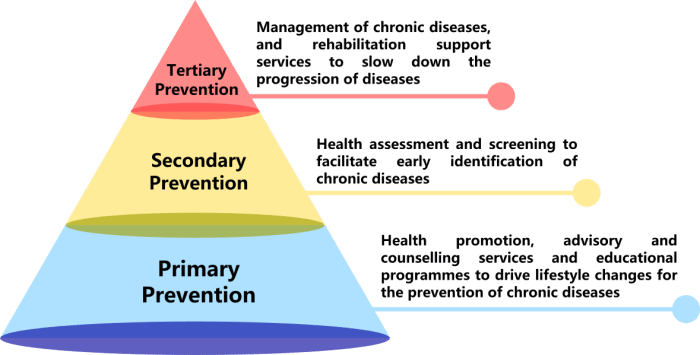
Primary care plays a crucial role in preventive medicine by serving as the first point of contact for individuals seeking healthcare services. This initial interaction allows primary care providers to identify risk factors, offer preventive services, and promote healthy lifestyle choices to prevent the onset of diseases.
Importance of Primary Care in Preventive Medicine
Primary care providers act as gatekeepers to the healthcare system, offering comprehensive and continuous care to individuals of all ages. By establishing long-term relationships with patients, primary care providers can gain a deep understanding of their medical history, lifestyle habits, and risk factors. This holistic approach enables them to provide personalized preventive care interventions and early detection of health issues, ultimately reducing the burden of disease on individuals and the healthcare system.
- Regular health screenings: Primary care providers offer a range of screenings, such as blood pressure checks, cholesterol tests, and cancer screenings, to detect potential health problems early on.
- Immunizations: Primary care settings provide vaccinations to protect individuals from preventable infectious diseases, reducing the spread of illness within the community.
- Behavioral counseling: Primary care providers offer guidance on healthy behaviors, such as diet, exercise, and smoking cessation, to help individuals adopt lifestyle changes that promote overall well-being.
- Chronic disease management: Primary care providers play a key role in managing chronic conditions like diabetes, hypertension, and asthma through regular monitoring, medication management, and lifestyle modifications.
Primary Care Services
Primary care services encompass a range of healthcare services that are typically the first point of contact for individuals seeking medical assistance. These services are crucial in promoting overall health and well-being by providing preventive care, managing chronic conditions, and addressing acute health concerns.
Types of Primary Care Services
- Preventive Care: This includes routine check-ups, vaccinations, screenings, and counseling to prevent illnesses and maintain optimal health.
- Chronic Disease Management: Primary care providers help patients manage chronic conditions such as diabetes, hypertension, and asthma through regular monitoring and treatment.
- Acute Care: Primary care services also address sudden illnesses or injuries that require immediate attention, such as infections or minor injuries.
- Health Education: Primary care providers offer guidance on healthy lifestyle choices, disease prevention, and overall wellness to empower patients to take charge of their health.
Preventive Care vs. Reactive Care
Preventive care focuses on proactively identifying and addressing risk factors to prevent the onset of diseases. This includes regular screenings, vaccinations, and health education to promote early detection and intervention. On the other hand, reactive care involves addressing health issues after they have already manifested, often in response to symptoms or complications.
Role of Primary Care in Early Detection and Prevention
Primary care plays a crucial role in early detection and prevention of diseases by providing regular screenings, risk assessments, and health education. Through proactive measures, primary care providers can identify potential health concerns at an early stage, allowing for timely intervention and treatment. This proactive approach not only improves health outcomes but also reduces healthcare costs associated with managing advanced diseases.
Preventive Medicine Strategies
Preventive medicine strategies play a crucial role in primary care by focusing on early detection and intervention to prevent the development of diseases.
Preventive Screenings
Preventive screenings are essential in primary care to detect diseases in their early stages when they are more treatable. Some common preventive screenings include:
- Annual physical exams
- Blood pressure checks
- Cholesterol screenings
- Mammograms for breast cancer
- Colonoscopies for colorectal cancer
Lifestyle Modifications
Lifestyle modifications are key components of preventive medicine as they can help reduce the risk of developing certain diseases. Some examples of lifestyle modifications recommended in preventive medicine include:
- Healthy diet rich in fruits, vegetables, and whole grains
- Regular exercise or physical activity
- Quitting smoking and limiting alcohol consumption
- Maintaining a healthy weight
- Stress management techniques such as yoga or meditation
Prescription Drugs in Preventive Care
Prescription drugs play a crucial role in preventive medicine by helping to manage and reduce the risk of developing certain health conditions. They are often used in primary care settings to prevent the onset or progression of various diseases.
Role of Prescription Drugs in Preventive Medicine
Prescription drugs are commonly prescribed in primary care to prevent conditions such as heart disease, diabetes, and osteoporosis. These medications can help lower blood pressure, control blood sugar levels, and improve bone density to reduce the risk of developing these chronic illnesses.
- Statins: Statins are commonly prescribed to lower cholesterol levels and reduce the risk of heart disease.
- ACE Inhibitors: ACE Inhibitors are used to control blood pressure and prevent complications related to hypertension.
- Metformin: Metformin is a medication often prescribed to manage blood sugar levels in individuals at risk of developing diabetes.
Public Health Initiatives in Primary Care
Public health initiatives play a crucial role in primary care settings by focusing on prevention and promoting overall community health. These initiatives are designed to address various health issues at the population level, aiming to reduce the burden of disease and improve the well-being of individuals.
Integration of Public Health Initiatives in Primary Care
Public health initiatives are integrated into primary care through collaborative efforts between healthcare providers, government agencies, and community organizations. By incorporating preventive measures into routine primary care services, such as screenings, vaccinations, and health education, these initiatives aim to identify and address health risks early on.
- Public health campaigns promoting healthy lifestyle choices, such as smoking cessation, physical activity, and healthy eating, are often implemented in primary care settings to encourage preventive behaviors among patients.
- Community-based programs focusing on chronic disease management and prevention, such as diabetes prevention programs or hypertension control initiatives, are also commonly integrated into primary care to improve health outcomes.
Impact of Public Health Campaigns on Preventive Healthcare
Public health campaigns have a significant impact on preventive healthcare by raising awareness, promoting early detection of diseases, and encouraging individuals to adopt healthier lifestyles. These campaigns help in reducing the incidence of preventable diseases and promoting overall well-being within the community.
For example, vaccination campaigns targeting specific age groups or at-risk populations have been successful in increasing immunization rates and preventing the spread of infectious diseases.
Successful Public Health Programs in Primary Care
Several successful public health programs have been implemented in primary care settings, leading to improved health outcomes and reduced healthcare costs. These programs focus on a wide range of health issues, from infectious disease control to chronic disease management, and have demonstrated positive results in promoting preventive healthcare.
- The National Diabetes Prevention Program (NDPP) is a collaborative initiative aimed at preventing or delaying the onset of type 2 diabetes through lifestyle interventions and behavioral changes.
- The “5 A Day” program, which encourages individuals to consume at least five servings of fruits and vegetables daily, has been effective in promoting healthy eating habits and reducing the risk of chronic diseases.
In conclusion, Primary care and prevention are essential components of a well-rounded healthcare system, emphasizing the significance of early detection, preventive screenings, lifestyle modifications, prescription drugs, and public health campaigns. By prioritizing primary care and prevention, individuals can proactively manage their health and well-being, leading to healthier communities and improved quality of life.
Question & Answer Hub
What is the role of primary care in preventive medicine?
Primary care providers play a crucial role in preventive medicine by offering early detection and disease prevention services.
How does primary care help in early detection of diseases?
Primary care helps in early disease detection through regular check-ups, screenings, and diagnostic tests.
What are some examples of preventive services offered in primary care settings?
Preventive services in primary care include vaccinations, screenings for various conditions, counseling on healthy lifestyle habits, and management of chronic diseases.


